
What Staying Fit Long-Term Really Gives You – Lessons From 30+ Years of Training
Updated: Mar 7
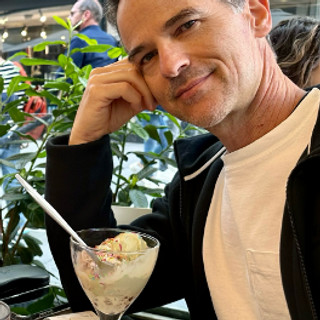
I’m almost 60 in these photos.
Not carb-depleted or deprived. Not posing under special lighting. Not flexing for a shoot. Just consistent. And that’s the point. Most people think fitness is about "getting" in shape.
Very few understand that real fitness is about "staying" in shape—for the long haul.
The Difference Between Intensity and Consistency
Anyone can train hard and follow a strict diet for a week or two. Perhaps even for a month or so. Anyone can push through a short challenge. That’s intensity.
Consistency is different.
It's:
Training when your motivation might be low.
Improvising when life gets busy.
Going lighter when needed—but never quitting.
Returning to structure after disruptions happen. Because they will.
Thinking years and decades, not weeks.
Intensity can create transformation. But that transformation can be short-lived. Consistency, on the other hand, creates a long-term identity. Hence the reason I often make frequent use of the word "sustainable" and why my umbrella term "sensible" is so relevant.
I Don't Always Manage To Train Perfectly
There were times when my HR work was really demanding. Especially back in the early 2000's. Before SFP was born, when family responsibilities were still tricky to juggle along with trying to be in shape. Times when I had to figure out how to adapt.
I didn’t always train optimally. But I trained. Some days were better than others, but even before I got things nailed down in 2002, my intent remained solid and intentional.
If you think about it, habits that you keep actually become who you are. Fitness stops being something you “do.”
It becomes something you live.
The Real Benefit of Staying Fit
People often focus on aesthetics. Abs. Definition. Numbers.
Those are merely the surface-level rewards. Yes, I appreciate them and I expect them. I have them.
But we shouldn't overlook the hidden returns:
Energy that doesn’t fade at 40.
Confidence that doesn’t collapse at 50.
Strength that still shows up at 60.
The ability to walk onto a beach with your daughters and feel fully present—not self-conscious.
It's not just living longer. It's living longer at an optimal level of health and wellness.

Train Hard By Default, But Go Easy When Needed
One of the key principles I follow is simple: I approach my exercise sessions with due seriousness. Not along the lines of unpleasant work, but because I make my workouts count.
Yes I train hard by default. But I also go easier when life demands it.
But I don’t confuse flexibility with quitting. You see, consistency is not rigidity.
You don’t need to measure calories all the time. And you also don't need to track every metric for life.
But you do need standards. And most importantly—you need to protect them.
Fitness Is Not A Time-Bound Project
Whether we're talking meal planning or exercise programming, most people treat fitness like a project with an end date, after which the intention is to return to former ways.
More often than not, they will:
Start
Push hard
Lose consistency
Lose focus
Pause
Restart later. If their conscience bugs them enough
Stop
Repeat the cycle
Shelf the "project" indefinitely. Or permanently
This only guarantees frustration. And it's ultimately used as "justification" to end any and all wellness endeavours for good. People I talk to, and those I've worked with, nod in agreement when I discuss the above bullet points with them.
Fitness isn’t a time-bound phase with an arrival at a destination. Don't get me wrong, I do have certain fitness mini-goals within the overall permanency of sustainable fitness. I'm always working towards the next milestone or experimenting (carefully) with some protocol adjustment or new technique. But the fitness game for me is a long-term project.
I never aim for perfect weeks—but rather for uninterrupted decades.
What You Really Should Be Building
When you follow a nutritious (but at the same time enjoyable) eating plan and train consistently for 20-30 years and beyond—you’re not just building muscle You're also learning how your metabolism and energy expenditure work over time.
You’re building:
Discipline
Self-respect
Resilience
Leadership by example—especially if you have children. Because they hear less of what you say, but see more of what you model.
The Goal Was Never Just to Look Fit, But I Always Knew It Would Remain a Natural Consequence
Over time, if left unchecked, muscle mass will fade and performance will vary.
Many in their later years seem to accept (perhaps reluctantly) that they won't necessarily look like they’re 25. But that's usually a choice. And sadly, with that, all that remains is identity.
The sensible approach is simply to move well, eat well, feel strong, look your best (whatever your current age) and to live with energy and purpose. To avoid preventable decline.
These are the real returns on investment.

Final Thoughts
You don’t need extremes that ultimately result in failure. You don’t need hacks or short-cuts.
You need structure with standards. Along with consistency and patience. And you need the humility to go lighter when needed—without losing direction.
That’s what staying fit for 30+ years really gives you.
Not just a body. A life.


Comments